Child Development and Learning
Clear explanations of social, emotional, language, movement, creative, routine-based, and observation-based early learning.
How does preschool help shy children?
Preschool helps shy children slowly build comfort through routine, teacher warmth, small-group play, stories, and gentle participation. Progress should be gradual, with space to observe before joining and without forcing public participation.
How does preschool build social skills?
Children learn sharing, waiting, helping, group play, expression, and friendship through guided activities. Teachers can guide these moments so children learn how to communicate needs and handle small social challenges.
How does preschool support emotional development?
Preschool helps children express needs, name feelings, adjust to routines, and feel secure with caring adults. Predictable routines and patient responses can help children communicate needs and gradually manage everyday feelings.
Why are routines important for preschool children?
Routines help children feel secure, understand expectations, build independence, and settle into school life gently. Repeated routines also give children practice with listening, responsibility, transitions, and simple self-help habits.
Why are stories and rhymes important?
Stories and rhymes support listening, vocabulary, memory, imagination, rhythm, and group participation. They also create enjoyable opportunities for children to listen, repeat, predict, move, and communicate with a group.
Why are art and hands-on activities important?
Art and hands-on activities support creativity, fine motor skills, expression, confidence, and problem-solving. Children learn by touching, building, drawing, sorting, and creating instead of only watching or memorising.
Why is outdoor and movement play important?
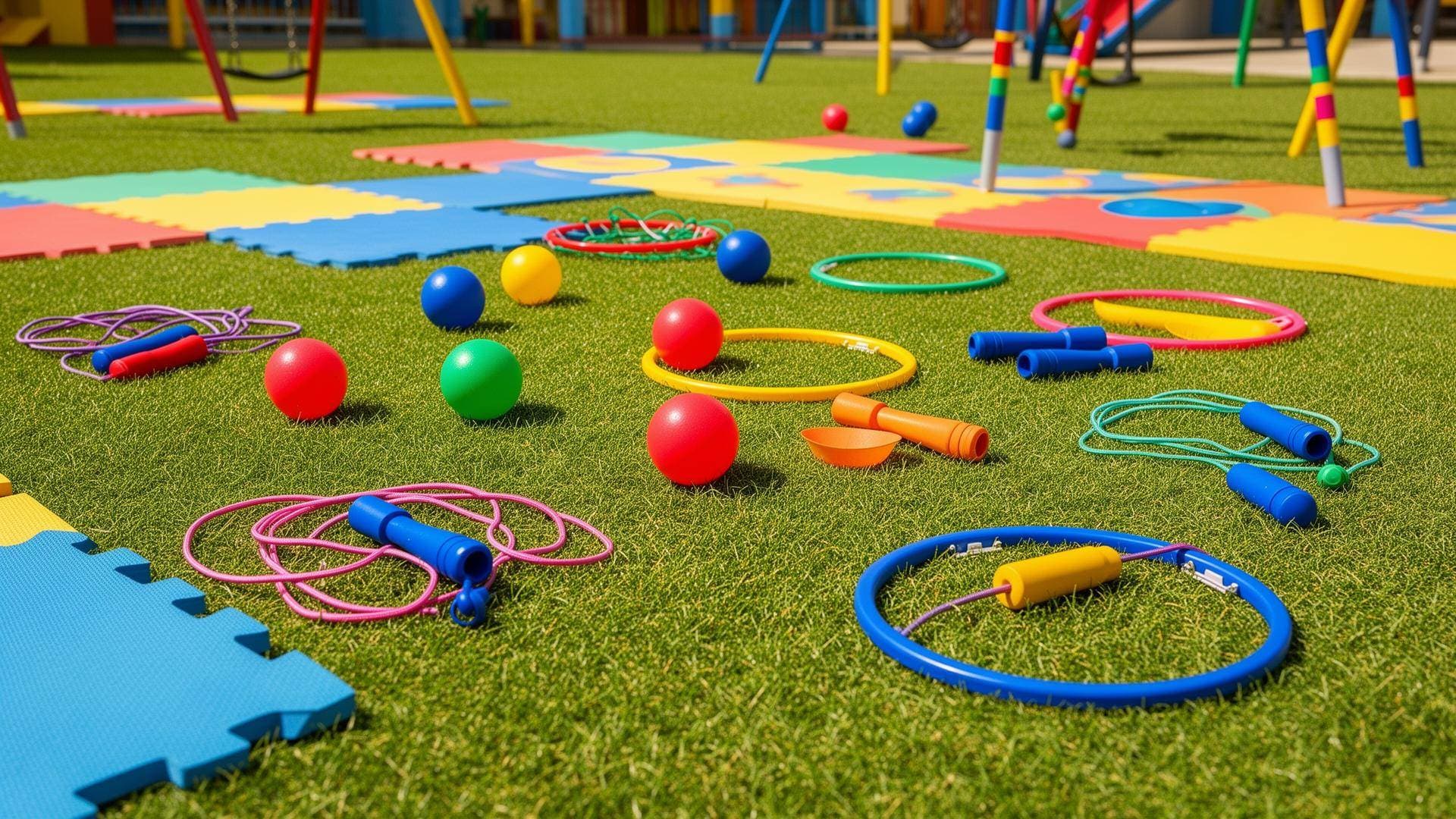
Movement play supports balance, coordination, confidence, social play, and healthy energy release. Activities should be supervised, age-appropriate, and suited to the available environment and each child's comfort.
How does Kaizen track child progress?
Teachers observe children’s comfort, language, habits, participation, motor skills, and growth instead of relying only on tests. Parents can ask how observations and progress are currently documented and discussed, because the exact process may vary by program.
Should preschool children have exams?
Preschool children learn best through activities, observation, play, stories, routines, and guided participation rather than pressure-based exams. Observation and age-appropriate activities can show growth in communication, habits, participation, and developing skills.