Admission and Parent Checklists
Useful parent answers about admission documents, preschool bags, child-friendly environments, and foundational preschool skills.
What documents are needed for preschool admission?
Parents may need basic child details, parent contact details, age proof, photos, and other simple admission information. Exact document requirements may change, so parents should confirm the current checklist with Kaizen before submitting an application.
What should I pack for preschool?
Parents can pack simple essentials such as water bottle, snack/lunch, napkin, spare clothes if needed, and clearly labelled items. Confirm the current program's requirements, label personal items clearly, and avoid sending unnecessary valuables.
What makes a preschool child-friendly?
A child-friendly preschool has warm teachers, clean spaces, simple routines, playful learning, patient communication, and child comfort. Parents should observe these qualities during a visit and notice how staff respond to children's individual needs.
Why is teacher-child interaction important?
Warm teacher interaction helps children feel safe, express themselves, participate, and enjoy early learning. Patient interaction also helps teachers understand children's communication, comfort, interests, and support needs.
How do children learn numbers in preschool?
Children learn numbers through counting objects, sorting, songs, patterns, games, and daily activities. Hands-on experiences help children connect number words and symbols with quantities in a meaningful way.
How do children learn letters naturally?
Children learn letters through sounds, stories, rhymes, picture cards, tracing, recognition, and playful repetition. The aim is gradual familiarity with sounds and symbols through meaningful language experiences, not forced memorisation.
What are fine motor skills?
Fine motor skills are small hand movements needed for drawing, writing, buttoning, pasting, and self-help tasks. Preschool activities may strengthen these skills through drawing, threading, clay, puzzles, blocks, and practical routines.
What are gross motor skills?
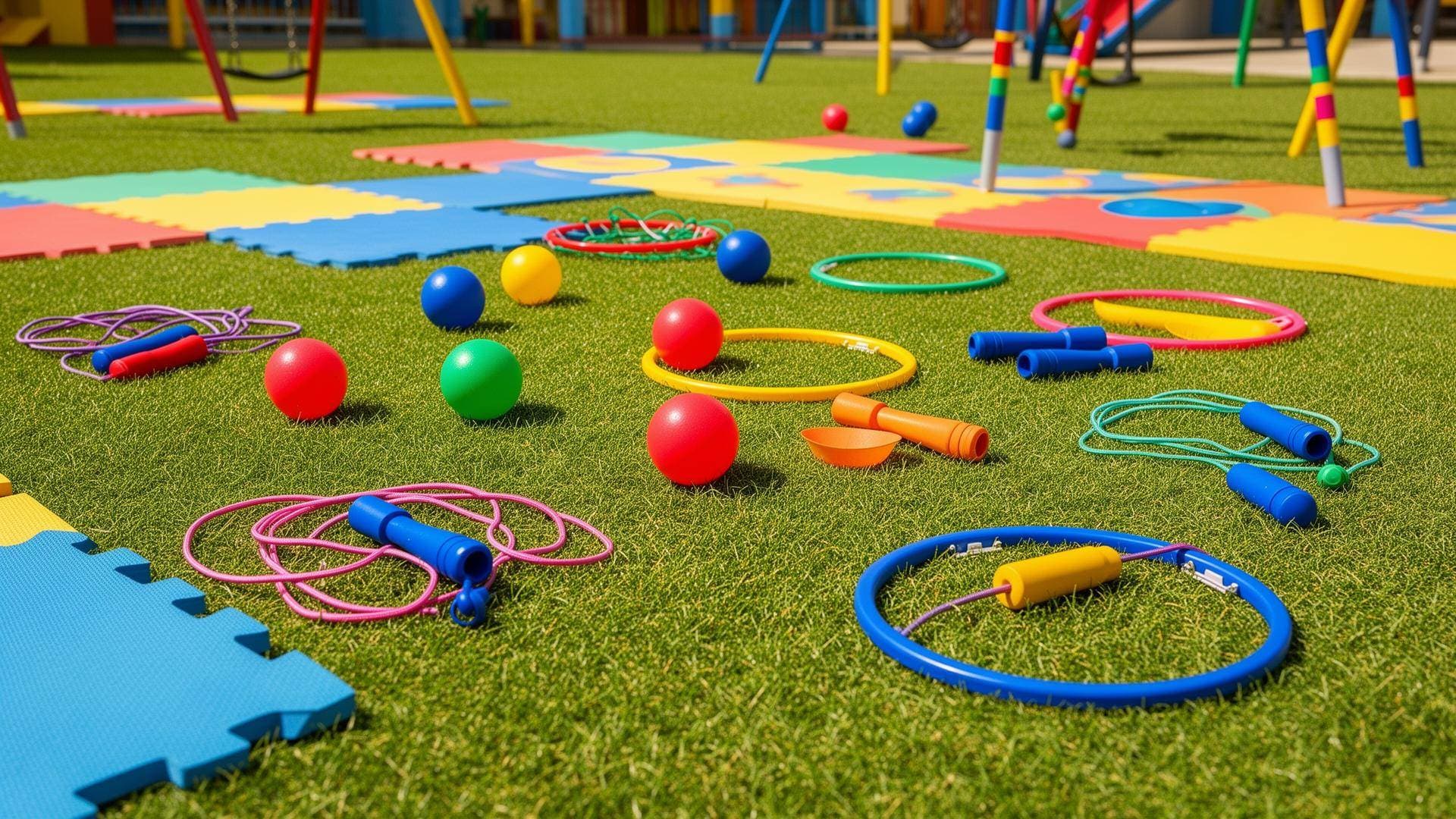
Gross motor skills are large body movements such as running, jumping, balancing, climbing, throwing, and dancing. Age-appropriate movement play can support coordination, balance, body awareness, confidence, and participation.
How can parents enquire for Nursery, LKG or UKG admission in Nallagandla?
Parents can call, WhatsApp, submit the admission enquiry form, or book a school visit. During the enquiry, parents can discuss age suitability, routines, readiness, documents, timings, and next steps for Nursery, LKG or UKG.
Is Kaizen Preschool convenient for families near HUDA Layout and Fishermen Catch?
Kaizen Preschool is located beside Fishermen Catch in HUDA Layout, Nallagandla. Families around Nallagandla, HUDA Layout, Fishermen Catch, and Serilingampalle can book a visit to understand travel convenience and program fit.